Physical Address
304 North Cardinal St.
Dorchester Center, MA 02124
Physical Address
304 North Cardinal St.
Dorchester Center, MA 02124

Intro
Anxiety in dogs is common and often develops from more than one factor. By looking at genetic influences, environmental conditions, and life experiences, this article aims to help you better understand why your dog may struggle with anxiety.
Genetic Factors That Can Contribute to Anxiety
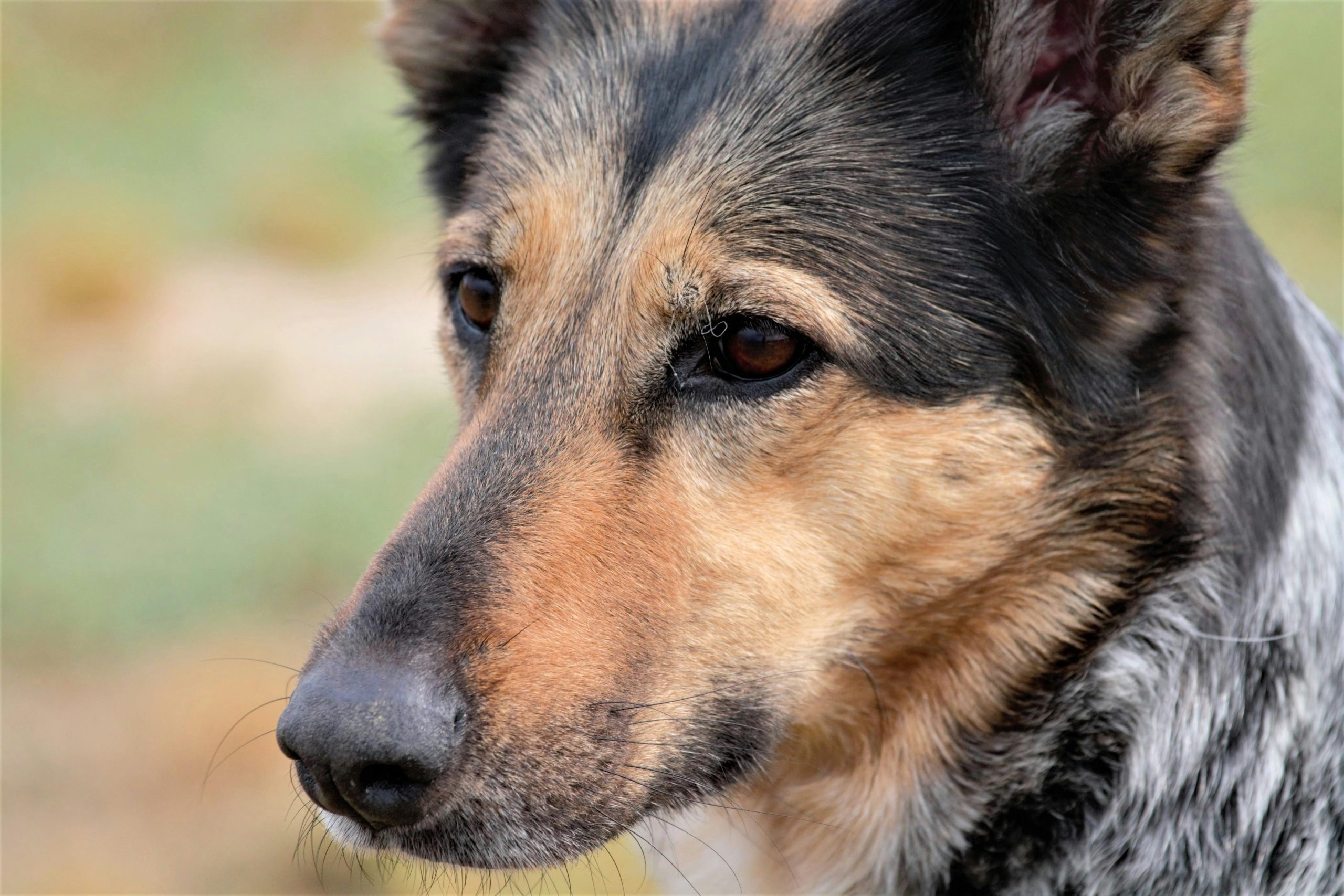
Overview:
Some dogs are more prone to anxiety issues due to genetic factors. Genetics alone do not cause anxiety, but they can influence how sensitive a dog is to stress, change, and stimulation.
Breed predisposition:
Certain breeds were selectively bred for traits like vigilance, responsiveness, and strong emotional bonding. While these traits were useful for working roles, they can make some dogs more sensitive to stress in modern environments.
Inherited temperament:
Temperament refers to the emotional tendencies a dog is born with. Dogs with naturally nervous or sensitive temperaments may be more likely to develop anxiety, especially in stressful or unpredictable environments.
Stress regulation differences:
Some dogs have a harder time calming down after stressful events. Instead of returning to baseline quickly, they may remain in a heightened stress state for hours or even days, which can appear as ongoing anxiety.
Neurochemical differences:
Differences in brain chemistry can affect how a dog processes fear, safety, and stress. In some dogs, this can result in a persistent fight-or-flight response, even when no immediate threat is present.
Sensory sensitivity:
Some dogs are born with lower thresholds for sensory input. Sounds, movement, or visual stimuli may feel more intense, making these dogs more prone to noise-related or environmental anxiety.
Environment and Life Experiences
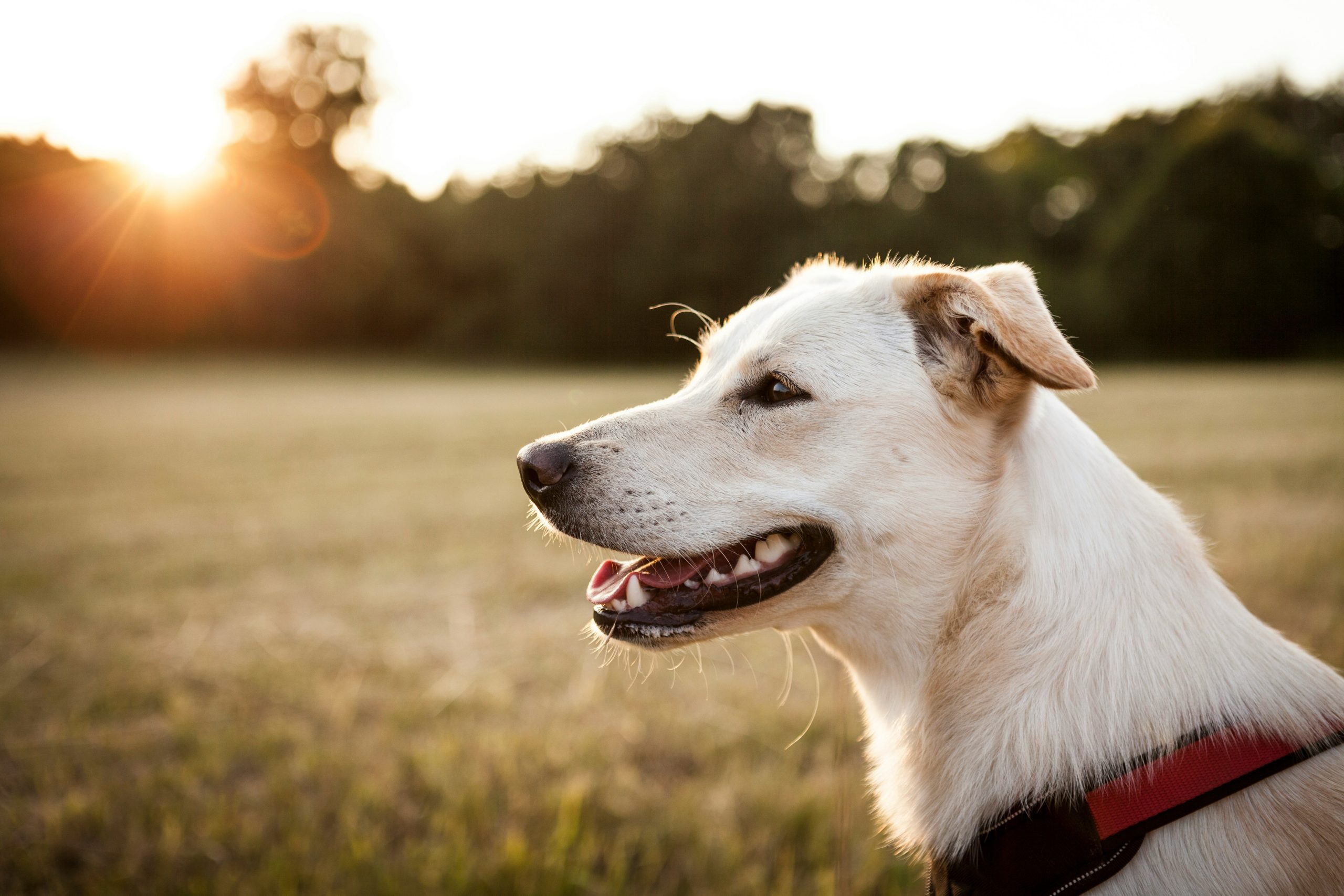
Overview:
A dog’s experiences and surroundings play a major role in developing anxiety, especially when combined with genetic sensitivity.
Early socialization:
Dogs who are not exposed to different people, dogs, and environments early in life may learn to see unfamiliar situations as threatening. As adults, this can show up as fear, avoidance, barking, or aggression in everyday situations like walks, vet visits, or having guests over.
Past trauma or neglect:
Dogs who have experienced abuse, neglect, or repeated fear may develop lasting anxiety. These dogs may appear hypervigilant, fearful, or distrustful of people, as their past experiences taught them that the world is unsafe.
Stressful environments or events:
Living in unpredictable, loud, chaotic, or overstimulating environments can keep a dog in a constant state of stress. Even short but intense fearful events can contribute to anxiety, especially in dogs who are already sensitive.
Major life changes:
Changes such as moving homes, new people or pets, loss of a companion, or sudden schedule changes can disrupt a dog’s sense of security. This may lead to clinginess, fearfulness, or changes in behavior.
Harsh Training:
Training methods based on fear or intimidation can contribute to anxiety. Yelling, physical punishment, or aversive tools like shock, prong, or choke collars can increase fear, reactivity, and chronic stress, while damaging the trust between a dog and their owner.
Lack of Mental or Physical Stimulation:
A lack of physical or mental stimulation can lead to pent-up energy, which may show up as restlessness, destructiveness, excessive barking, or increased reactivity.
Separation or Attachment Issues:
Dogs can develop separation anxiety after abandonment, repeated rehoming, or never learning how to be alone during puppyhood. This may show up as distress behaviors like excessive barking, destruction, indoor accidents, escape attempts, or constant following when their owner is home.
Conclusion
Anxiety in dogs isn’t a sign of failure, stubbornness, or poor training. It is often the result of genetics, early development, and the experiences a dog has throughout their life. By understanding the factors that contribute to anxiety, you can begin to see your dog’s behavior through a more compassionate and informed lens. While every dog is different, awareness is an important first step toward helping them feel safer, more secure, and better supported in their daily lives.