Physical Address
304 North Cardinal St.
Dorchester Center, MA 02124
Physical Address
304 North Cardinal St.
Dorchester Center, MA 02124
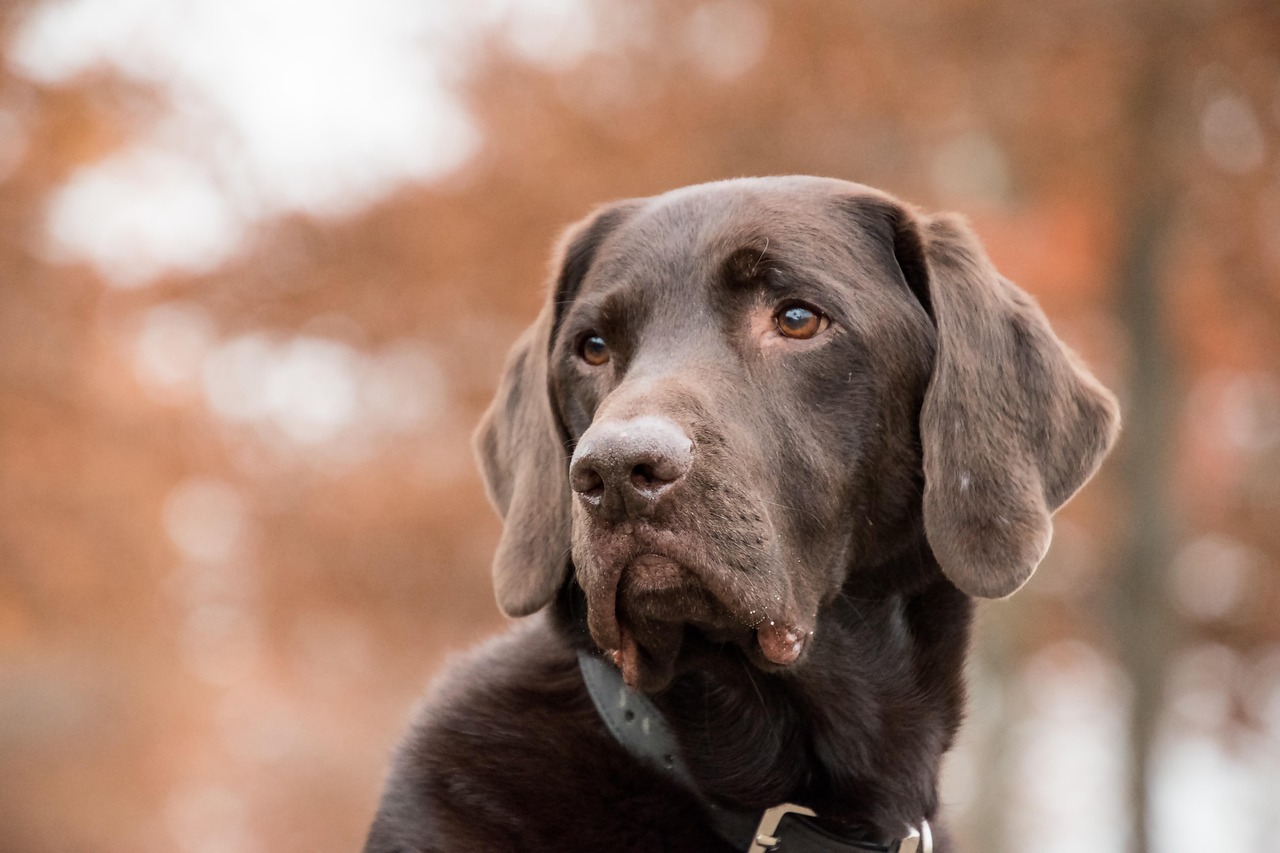
Owning an anxious dog can be challenging, but having a strong routine for your dog can make a huge difference. A routine helps dogs be less anxious, as their day-to-day lives have become predictable and they no longer have no need to worry. Through this blog we will cover the optimal routine for the morning, afternoon, and at night, and will go over common mistakes that you may make.
Routines are great for anxious dogs, as they bring predictability to their lifestyle. With predictability comes decreased stress, allowing their mind to ease rather than wonder what is going on or what is happening next. It offers them peace instead of worry, resulting to longer, quality rest during the time of rest, and more efficient energy during the time to walk and play. Through routines your dog will look at you as dependable, and will deepen their trust for you. The number one most important thing about the routine is time and consistency. A routine will not rid your dog of anxiety immediately, but if you remain reliable to your dogs routine then it will help them tremendously over time.
The morning is the time to set a great stress-free tone for the day. If your dog is sensitive to sound, or gets anxious from noise at all, then Immediately toss the obnoxious alarm clock for the sake of your dogs well-being. Shift to using a vibration alarm or soft sound alarms.
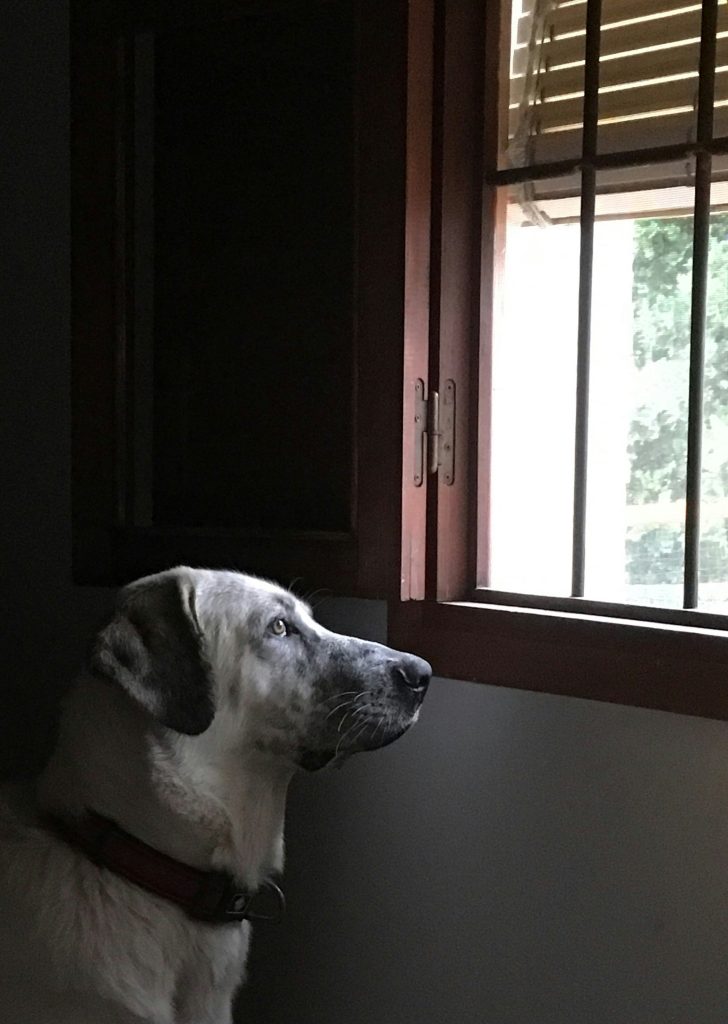
To start the day off, greet them unexcitedly while allowing them to stretch and wake up. Allow them outside to use the bathroom, and take them for a small walk if you have the time. Whenever you return inside it will be time for breakfast. Alternatively to a regular food bowl, a puzzle feeder, or a lick mat if you feed them wet food, would be great choices for really anxious dogs. Following breakfast a short session of doing tricks that they know, or helping them learn new simple tricks would be a good implementation to the morning. After going outside, feeding, and doing easy tricks you should let your dog have a period of rest. If your going to work or school, then I would recommend putting your dog in a quiet and dark room for the time your away.
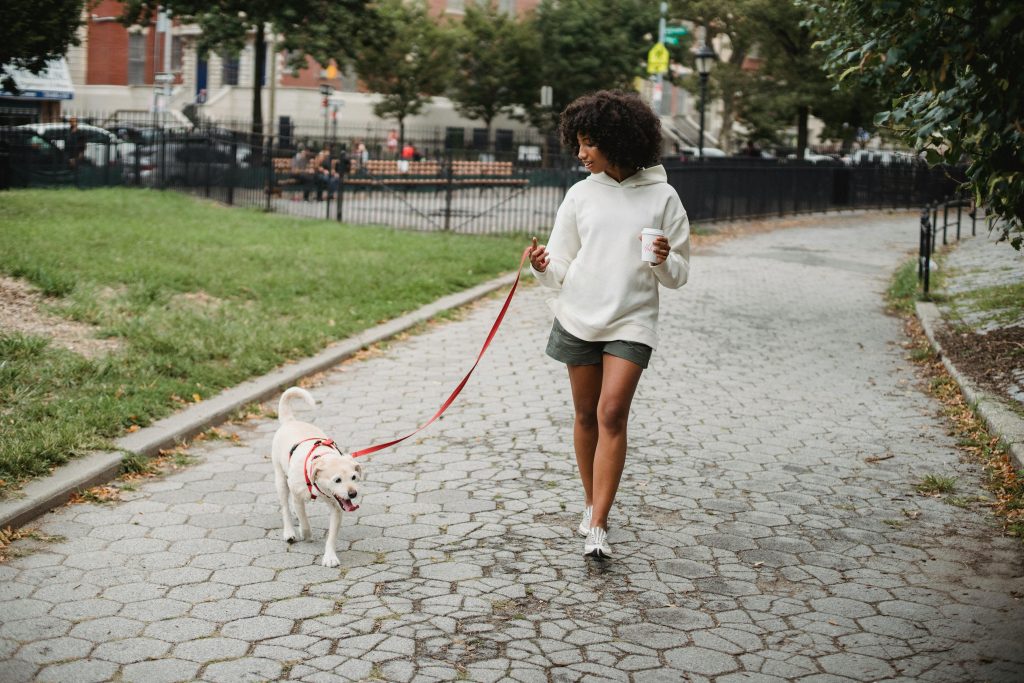
If possible, check on your dog through lunch to make sure they are doing great and take them outside. Once you return home for the day, greet them and allow them outside. Schedule about a 30 minute to an hour time period in the afternoon to walk your dog, in which you can stick to every day. Walk them in areas that are calm, quiet, and do not overstimulate your dog.
Depending on when you get home from work, it is up to you to decide if you should feed your dog before or after the walk, but be sure your dog gets at least 30 minutes of rest between walking and eating. After coming back inside and allowing your dog to rest for a awhile, your could also help improve their confidence by including a time of soft training or mental work into your daily schedule. Scent games or puzzle toys for mental work, and simple tricks such as sit, lay down, and paw for soft training. Always reward them for little progress when teaching them, and make sure training them is not causing any distress. When your done, allow your dog to get good rest as it transitions into night.
Night is the time to wind down to allow your dog to get a good sleep and be ready to repeat the day all over again. Take them outside for the last time of the day, and come back in to set the environment to be calm, quiet, and dark to let them settle down. If necessary play white noise, soft music, or turn on a fan to suppress the unpredictable sounds the dog may hear through the night. Lead them to their place of sleep at the same time each night to go to bed.
Now that we have went through a full daily routine for your anxious dog, here are some mistakes to avoid that many people overlook. Inconsistency in the daily schedule, including the time for walking, feeding or resting, can lead to unpredictability for the dog. High energy play or over exercising your anxious dog will harm them more than it will help them, as it can keep them in a state of adrenaline. Too much stimulation such as many toys, new people, busy environment, and constant activities can overwhelm your dog. Too much reassurance to your dog during their panic or anxiety attack can reinforce stress, doing the opposite of what your meaning to do.
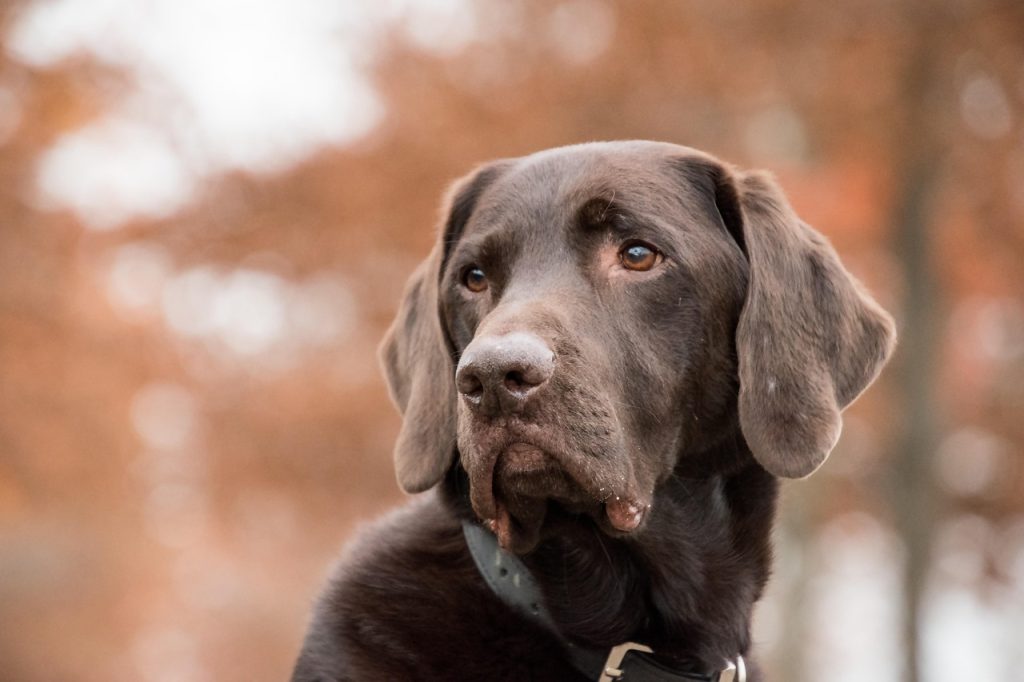
Every dog experiences anxiety differently, and the most effective way routine is one that is tailored to your dogs personality. Change this routine as much as you want if you genuinely think it will be better for your dog, but be sure to stick with the routine that is the best and effective for your dog. With consistency and patience you can reduce their anxiety and build trust with your dog, and improve their life overall.