Physical Address
304 North Cardinal St.
Dorchester Center, MA 02124
Physical Address
304 North Cardinal St.
Dorchester Center, MA 02124

The traits of high-energy and anxiousness in dogs are very similar, and can often be mixed up with each other. Whether its barking, destruction in your home, restlessness, or anything else, you want to know if your dog is anxious or has a lot of energy. Understanding the differences can go a long way for helping your dog.
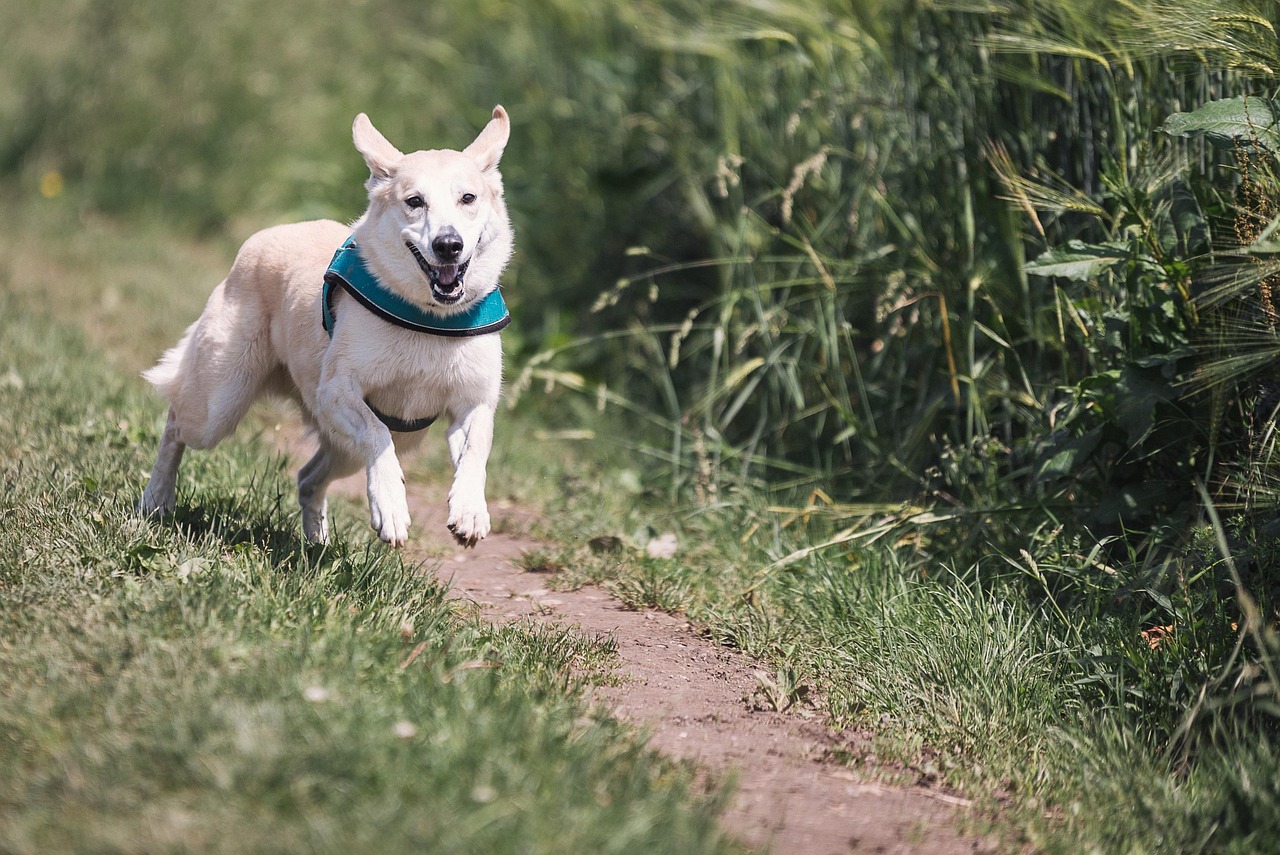
High energy dogs are emotionally comfortable but are under stimulated, and their behavior is driven by excitement, curiosity, and excess physical and mental energy. You'll see that their body language is loose, their tail is wagging, and they have a relaxed face or playful eyes. They will seek play and interaction, engaging readily with other people, dogs, or toys. They calm down and recover quickly from excitement or activities. They will get into mischief when bored and have a short attention span.
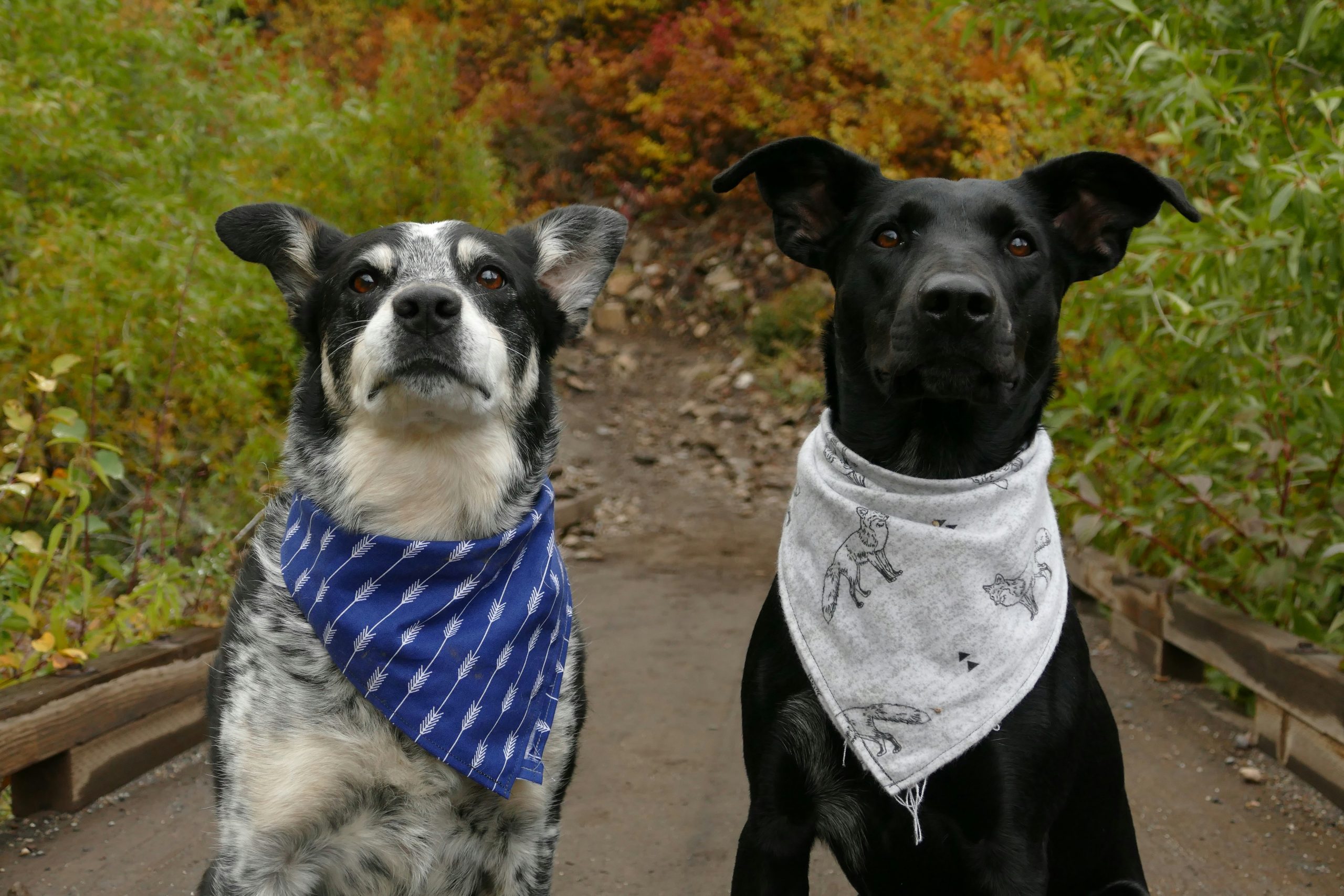
With anxious dogs you will often notice stress or fear signals even if the dog is moving a lot. You can see anxiety through their body language like a tucked or stiff tail, ears pinned back or swiveling, whale eye, and trembling or freezing. You'll see them pacing, panting when not hot, chewing or scratching on things when alone, excessing barking or whining with no clear triggers. They will be avoidant, or overreact to noise, people, or other dogs. After activities they may still be restless and will take a long time to settle and calm down.
High-Energy:
Anxiousness:
Reality: More walks for anxious dogs can increase stress rather than reduce it.
Each walk come with different stimulations for the dog like noises, people, and other dogs. Dogs who are more confident don't mind much, but for anxious dog these stimulations keep them in a state of high alert when you return home.
In some cases, extra exercise only creates physical exhaustion, masking anxiety instead of helping it.
Bottom line: Exercise helps dogs release energy, not fear. Anxious dogs need a calm predictable environment and emotional regulation, not just more miles.
If your dog shows traits of both anxiousness and high-energy, try focusing on observation, balance, and support. Look for patterns and not just single instances. Pay attention to how they behave across several days, in familiar and unfamiliar environments, during transitions, and throughout calm routines. Change something such as the routine, environment, or an activity an see how it effects your dog. But overall lean on calm activities, as calm activities will help your dog if they're anxious, but does not harm them if they're just high energy.

Whether your unsure whether your dog has too much energy or is anxious, you aren't alone, and your aren't failing them. Many dogs fall somewhere between. With observation and routines, your dog can become calmer, more confident, and easier to live with overtime.