Physical Address
304 North Cardinal St.
Dorchester Center, MA 02124
Physical Address
304 North Cardinal St.
Dorchester Center, MA 02124
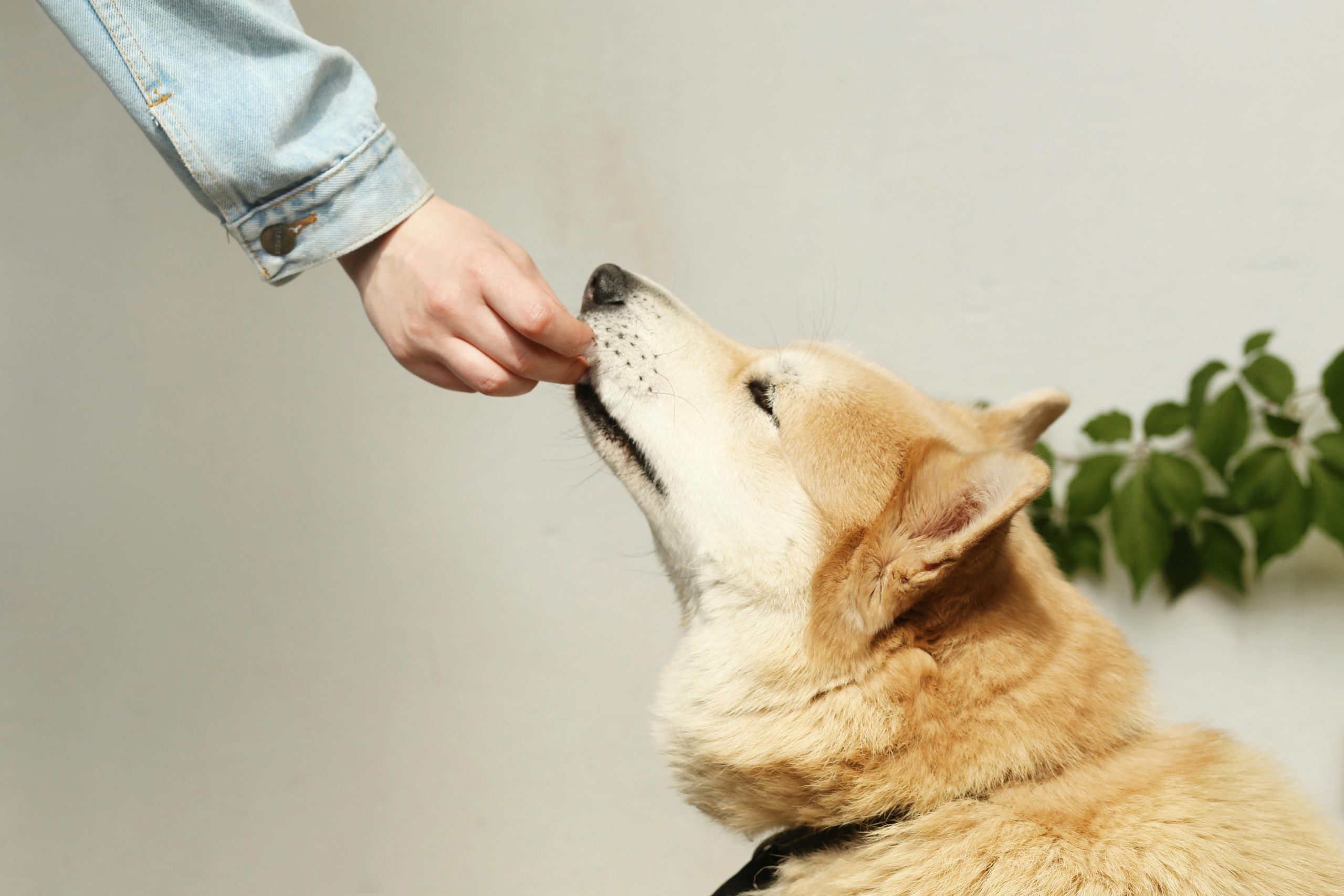
Does your dog seem to pace at night, finding it hard to settle? There are many reasons a dog may be having a hard time going to sleep, with the most common reason being anxiety. It could be from high energy, pain, or discomfort. We’ll dive deeper into why your dog may be pacing, when to see a vet, the best time to give your dog calming chews, and the top 5 calming chews for when your dog is pacing at night.
Before we dive into the top 5 calming chews, let’s go over why your dog may be pacing at night. The biggest reason for a restless dog stems from stress or anxiety. Just like in humans, anxiety can keep dogs awake but from different reasons. These reasons can come from the environment, noises, separation, or anything else they may be afraid of. Do you sleep in another room from your dog? Then your dog may have separation anxiety. Was the dog recently introduced to a new environment or routine? Are there any loud or unpredictable noises around the dogs place of sleep? If so, the pacing may be from anxiety. Switch up the environment or let them sleep with you and see if anything changes.
Pacing at night can also be a sign that your dog has too much energy. A lack of physical activity and mental stimulation through the day can lead to a frustrating night, especially with a younger dog or a hyper breed. Be sure to include times to walk and play in your dogs routine to prevent a hyper dog in the middle of the night.
Pacing could also come from pain or discomfort which would need to be addressed as soon as possible. Pain comes from all types of different reasons such as simply needing to go outside, or something more serious. Look for signs like whining, licking a specific area multiple times, or struggling to lay down. Pacing at night could be a way for a dog to cope with joint pain, stomach upset, or injury. Consult to a veterinarian if you notice any signs of significant pain.
| Key Ingredients | Best For | Price | |
| 1. Pet Honesty Hemp Calming Chews | L-theanine, Ashwagandha, Chamomile | General anxiety, everyday use | See Price |
| 2. Native Pet Calm Chews | Hemp powder, L-theanine, Melatonin | Nutrients, situational stress, picky eaters | See Price |
| 3. VetIQ Calming Chews | Chamomile, L-tryptophan, Melatonin | Budget-friendly option, occasional use | See Price |
| 4. Greenies Calming Supplements Soft Chews | L-tryptophan, L-theanine | Gentle daily support | See Price |
| 5. VetriScience Composure Calming Chews | L-theanine, Thiamine, Colostrum | Fast acting option, event focused anxiety | See Price |
1. Pet Honesty Hemp Calming Chews
Overview:
Pet Honesty Hemp Calming Chews are formulated to help dogs experiencing nighttime pacing, or for general stress. The formula includes hemp-derived ingredients along with other calming nutrients that are designed to support relaxation without sedation. These chews pose as a great option for owners who want their dog to settle quickly at night, and be able to wake normally in the morning.
Pros:
Cons:
2. Native Pet Calm Chews
Overview:
Native Pet Calm Chews are designed to support dogs dealing with situational stress, including anxiety at night or disruptions to routine. They’re made with air-dried real chicken and a focused blend of calming ingredients, this formula aims to provide support while remaining highly enjoyable for picky eaters. It’s often chosen for short-term or event-based stress rather than severe every-day anxiety.
Pros:
Cons:
3. VetIQ Calming Chews
Overview:
VetIQ Calming Chews offer a budget-friendly approach for mild stress and nighttime restlessness. They’re formulated with commonly used calming ingredients, and are widely available across many major stores. This option may work best for dogs with occasional pacing or mild anxiety.
Pros:
Cons:
4. Greenies Calming Supplements Soft Chews
Overview:
Greenies Calming Supplements Soft Chews are formulated for gentle, everyday stress support. Featuring L-theanine and L-tryptophan, the formula focuses on promoting a relaxed mental state without strong sedative effects.
Pros:
Cons:
5. VetriScience Composure Calming Chews
Overview:
VetriScience Composure Calming Chews are known for their faster-acting calming support and are often used for event-triggered anxiety or sudden stress. The formula is designed to help dogs settle without heavy sedation, which can be useful when nighttime pacing is linked to specific triggers rather than ongoing chronic anxiety.
Pros:
Cons:
You should give the calming chews to your dog around 30 to 60 minutes before bed. This is the general time frame for the ingredients to do their work. The fastest working calming ingredients include, melatonin, l-theanine, chamomile, and valerian root. The slower ingredients which generally need 45 minutes to 2 hours include CBD and magnesium. The ingredients that may need a few days or even weeks of consistent use include ashwagandha and tryptophan. Look closely at the ingredients in a calming chew to know the most effective time to feed them to your dog.
Your dog pacing at night could possibly point to something more serious than simply just anxiety or high energy. If the pacing is sudden with no obvious reasoning, it’s worth looking into and checking with a vet. If pacing came along with other behavioral changes, such as a change in appetite, vomiting or diarrhea, increased thirst, or lethargy, you should contact a vet. If there are any signs of pain, weakness, disorientation, or if calming chews do not seem to work, you need to see a vet. Especially if your dog is reaching an old age, contacting a vet immediately is the smartest thing to do.
Do calming chew really work?
Yes, calming chews include calming ingredients such as chamomile, L-theanine, or melatonin that support relaxation. However, results can very depending on the dog and the cause of night pacing.
Are calming chews safe for dogs?
Calming chews are safe as long as you give the recommended dosage. If you are unsure about the dosage than consult with a veterinarian before giving to your dog.
What are the most common ingredients used in calming chews?
The most common ingredients include chamomile, valerian root, melatonin, and passionflower.
How often can I give my dog calming chews?
Most calming chews can be given daily, but follow instruction on the package for safe use.
Can puppies take calming chews?
Some calming chews are safe for puppies, but many are formulated for adult dogs. Always check the product label and consult to your veterinarian before giving the chews to a puppy.
A dog pacing at night can be frustrating or sometimes worrying. It often shows that they are anxious, have excess energy, or are in pain. Choosing the right calming chew product can make a huge difference in the quality of their sleep and in their overall well-being. Calming chews support relaxation, helping the dog to feel secure and get the rest they need. Turn restless nights into peaceful, uninterrupted sleep for both the dog, and yourself.