Intro
If your dog gets anxious during night, car rides, or anytime else, remedies can sometimes be the best option to soothe your dog. In this blog we will explore 10 natural remedies along with what they are specifically, how they help anxiety, and how to use them properly.
1. CBD Oil
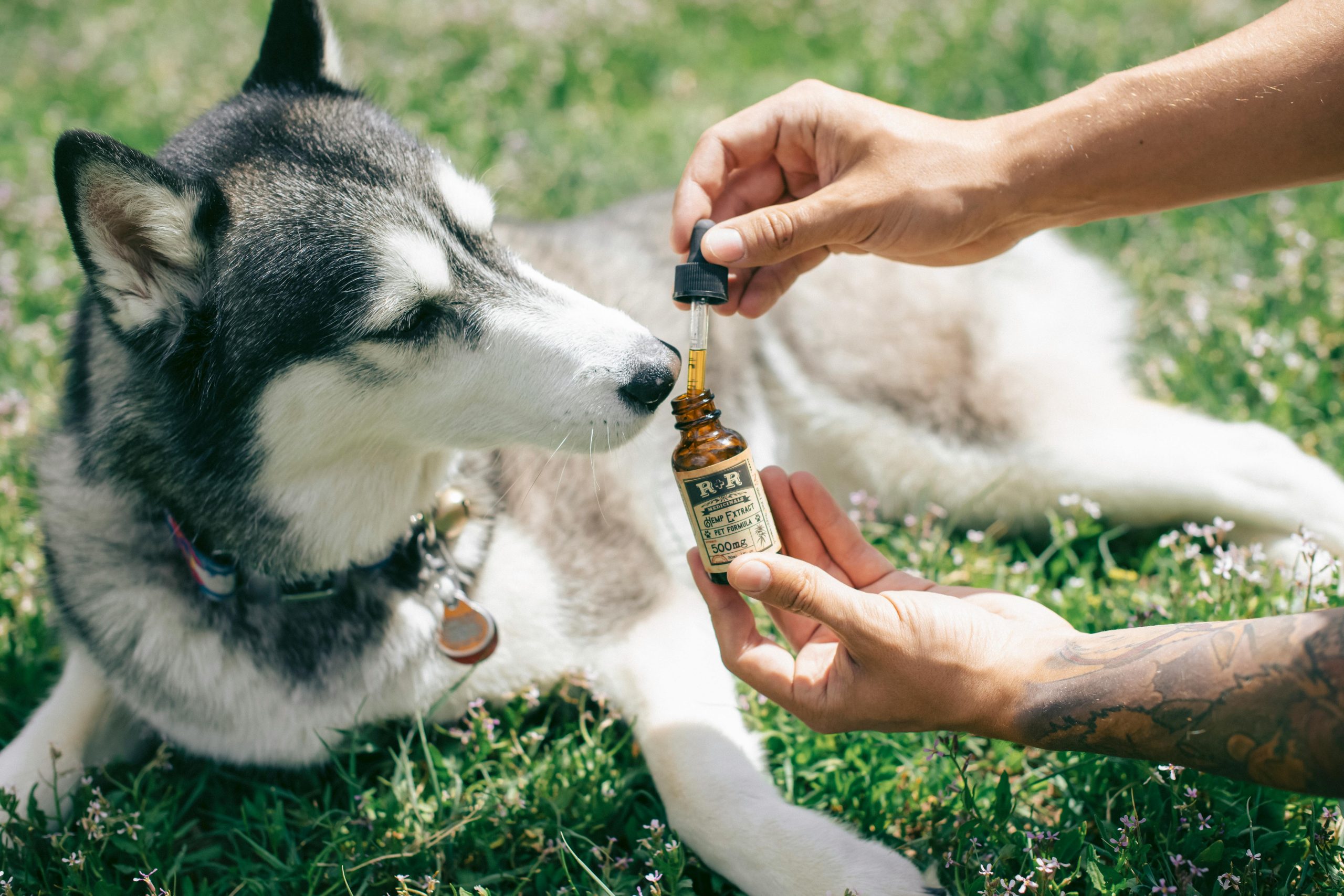
- What it is: CBD (cannabidiol) is a natural product extracted from the hemp plant. It interacts with the endocannabinoid system (ECS) to help regulate mood, stress, sleep, pain, inflammation, and immune response.
- How it helps: CBD oil supports the dysregulations within a dog's stress levels, helping their mind to ease. CBD often is used for dogs with separation anxiety, noise phobias, and general stress.
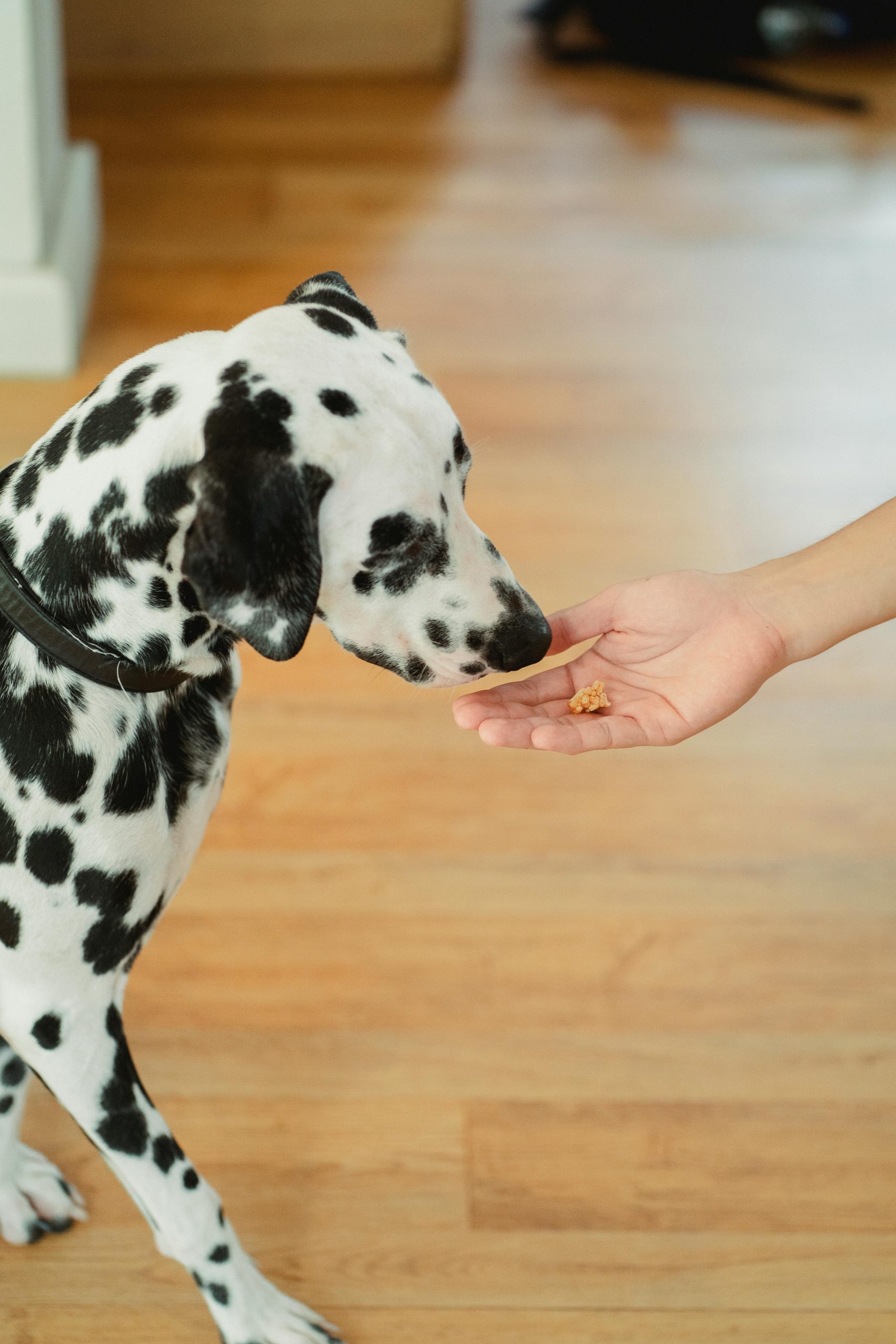
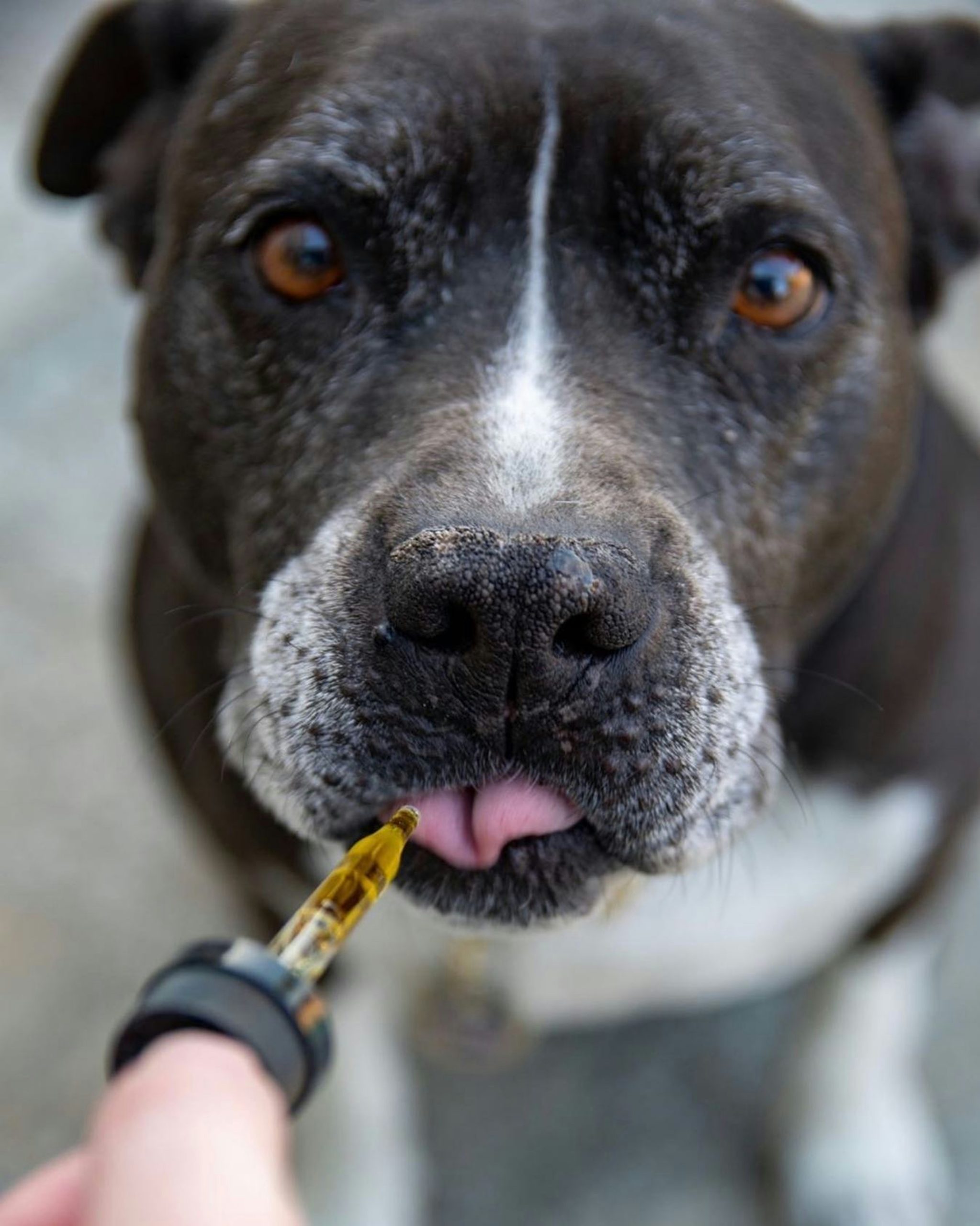
- How to use it: You can give your dog CBD oil through the dropper, or you can mix it into a treat such as peanut butter or yogurt. Alternatively, there are CBD treats with CBD oil infused inside. Whatever you choose, be sure to consult with your veterinarian for the dosage appropriate for your dog.
2. L-Theanine
- What it is: L-Theanine is a natural amino acid found in green tea leaves. It affects brain chemistry by increasing alpha waves, supporting levels of calming neurotransmitters, and helping regulate dopamine and serotonin.
- How it helps: L-Theanine gives off calming effects by increasing dopamine and serotonin. It promotes relaxation without sedation or drowsiness. L-Theanine works best for situational stress such as trips to the vet, car rides, or storms and for dogs that need calming without sleepiness.
- How to use it: L-Theanine is available as chewable supplements for dogs.
3. Lavender Essential Oil
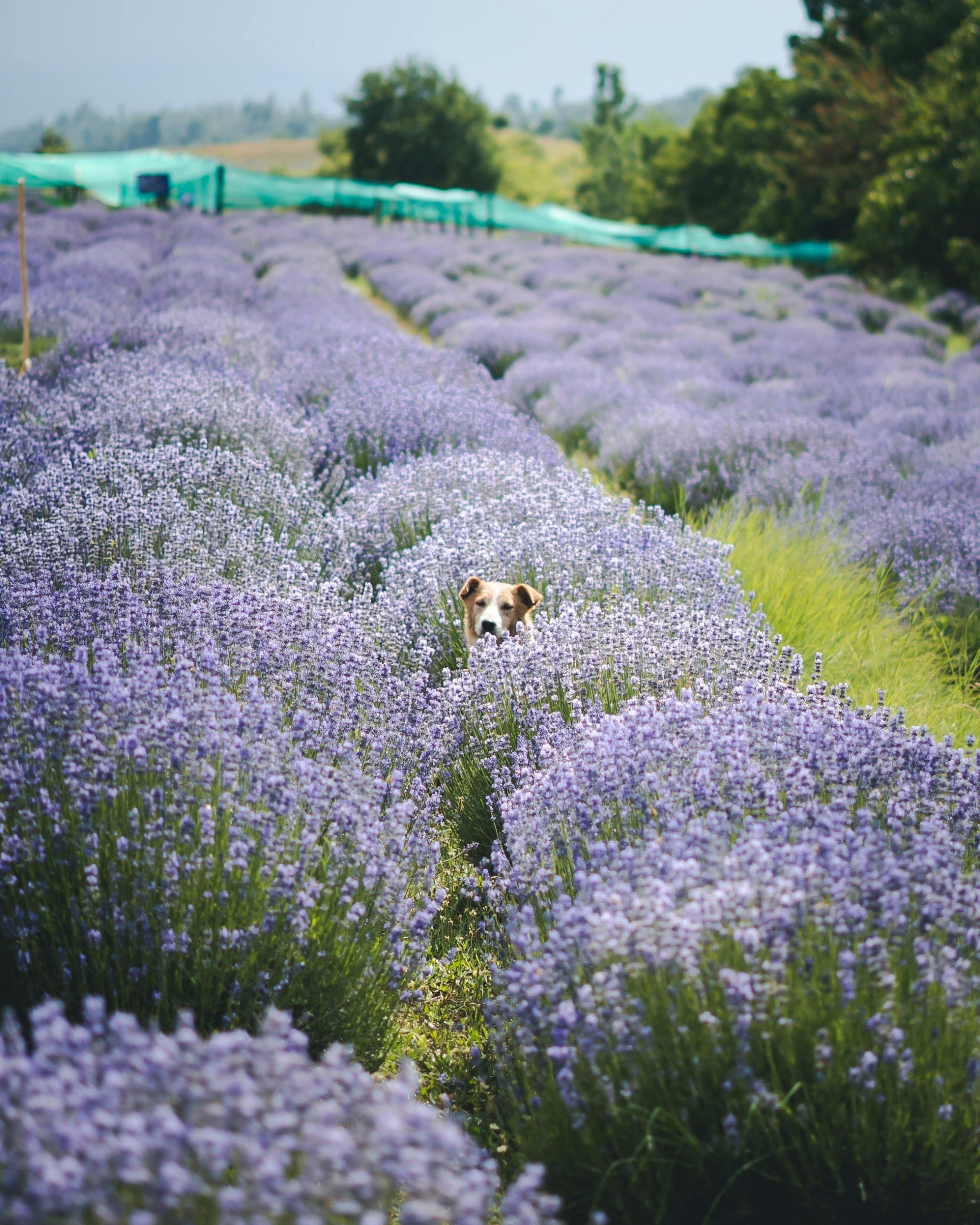
- What is it: Lavender essential oil is extracted from the Lavandula angustifolia flower. It is widely used and known for its calming, soothing aroma.
- How it helps: Lavender's scent affects the brain's limbic system, involved in emotions and stress response. It helps dogs with mild anxiety or nervousness and helps with restlessness.
- How to use it: The best use for lavender would be through a diffuser in a well-ventilated room for 10-15 minutes at a time. Spray is another option, as you can mix 1-2 drops of lavender into water and lightly mist the dog's bedding or the air; if you spray it on the bed, be sure to allow it to dry before your dog lays down. There are also calming collars for dogs, which use lavender oil. Alternatively, you could put a drop of lavender onto the dog's collar yourself; just be sure it is dry and will not be touching their skin whenever you put it back on them.
4. Melatonin
- What it is: Melatonin is the natural hormone produced by the pineal gland in the brain to help regulate your sleep-wake cycle.
- How it helps: Melatonin promotes relaxation and drowsiness and prepares the dog's body for rest during stressful or overstimulating times. It's especially useful for dogs with sleep disturbances, separation anxiety, and nighttime anxiety.
- How to use it: Melatonin comes in tablets, soft chews, and liquid formulations. It works best whenever given 30-60 minutes before bed or a stressful event.
5. Valerian Root
- What it is: Valerian root is a natural calming herb that comes from the plant called Valeriana afficinalis. It supports GABA activity, which is a neurotransmitter that helps calm nerve signals.
- How it helps: Valerian root acts as a mild sedative, reducing stimulation in the brain and providing relaxation and drowsiness. It's effective for managing situational anxiety.
- How to use it: Valerian root comes in capsules, liquid tinctures, and calming chews or blends.
6. Chamomile
- What it is: Chamomile is a flowering herb from the Matricaria chamomilla or Chamaemelum nobile plant. It is known for its calming, anti-inflammatory, and digestive-soothing properties. Chamomile is one of the mildest herbal remedies, making it a popular option for gentle relaxation.
- How it helps: Chamomile has compounds such as apigenin, which bind to receptors in the brain that promote relaxation. Along with supporting the nervous system, it also supports digestive comfort, which can link to anxiety. It helps dogs who experience anxiety during travel, vet visits, or thunderstorms.
- How to use it: Chamomile comes as capsules, tea, treats, and sprays.
7. Probiotics
- What it is: Probiotics are beneficial live microorganisms (usually bacteria) that help have a healthy balance of gut flora. A healthy gut in dogs means better digestion, immunity, and behavior.
- How it helps: Because of the gut-brain axis, beneficial gut bacteria help produce serotonin and regulate cortisol. The bacteria also reduces inflammation that may affect mood and behavior. Probiotics are especially helpful to dogs with digestive issues.
- How to use it: The probiotic strains for dogs include Lactobacillus acidophilus, Bifidobacterium animalis, Enterococcus faecium, and Bacillus coagulans. They come as powders, capsules, soft chews, and probiotic-enhanced foods.
8. Ashwagandha
- What it is: Ashwagandha is an adaptogen herb widely used in Ayurvedic medicine. It is known for promoting calm, resilience to stress, and overall wellness rather than immediate sedation. Adaptogens support the balance in the nervous system and endocrine systems, helping the body adapt to stress.
- How it helps: Ashwagandha supports cortisol levels, mood stability, and calming the nervous system. It helps dogs to have calm behavior without sedation, energy balance, and overall nervous system health.
- How to use it: Ashwagandha comes as capsules, chews, and multi-herb blends. It is effective for dogs with chronic stress, as Ashwagandha does not provide a quick calming effect like other options do.
9. Rescue Remedy
- What it is: Rescue Remedy is a popular flower blend including Cherry Plum, Clematis, and Impatiens, designed to help reduce stress and emotional upset.
- How it helps: Rescue Remedy does not act on the nervous system chemically but instead is based on the idea that flower essence helps rebalance the emotional state. Scientific evidence is limited, but many pet owners and holistic practitioners report calming effects during stressful situations.
- How to use it: Rescue Remedy works best for sensitive dogs, for owners seeking a very gentle, holistic option, and as an add-on to other calming strategies. Rescue Remedy comes as pet drops, sprays, and chews.
- What it is: Tryptophan is an amino acid that produces serotonin. It comes from protein-rich foods, such as turkey.
- How it helps: Tryptophan plays a key role in making serotonin, helping with calmness, emotional stability, and stress regulation.
- How to use it: Tryptophan can be given as treats or supplements, or you could add tryptophan-rich foods like turkey or eggs to your dog's diet.
Conclusion
These remedies can be great options to calm your dog down during a stressful period, but note that the outcomes can be different based on the dog. Please remember to consult to a veterinarian before the use of any of these methods, as you want to know that they are safe, and that you are giving them the correct dosage.